Source Vegan Keratin Nourishing Shampoo for Home, Salon, Hotel
Find 30 vegan keratin nourishing shampoo options with customizable formulas and OEM services. Compare specifications for all hair types, including moisturizing and oil-control features, to select the right supplier for home or salon use.
Key considerations
Products List


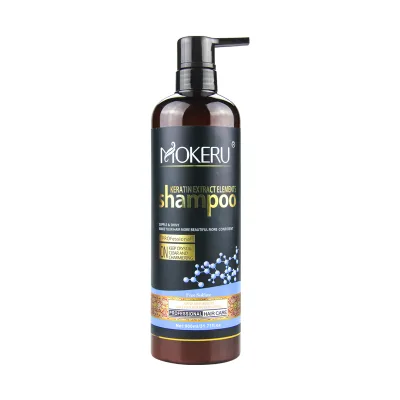


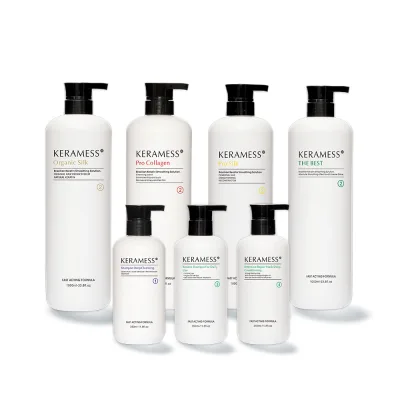


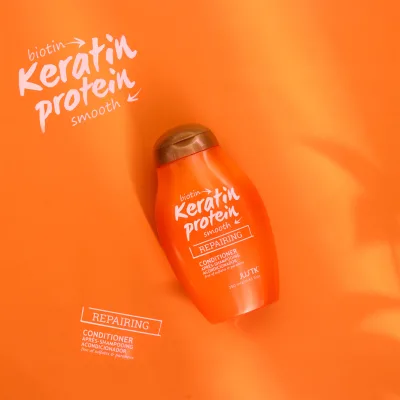
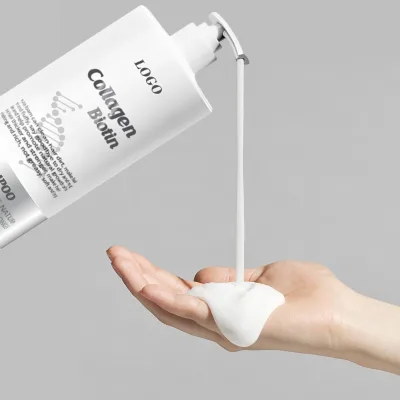


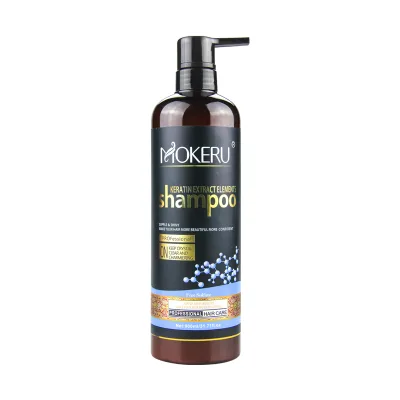


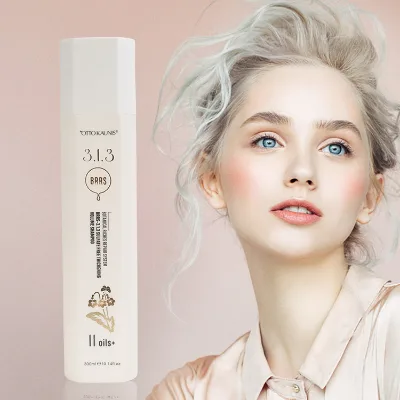
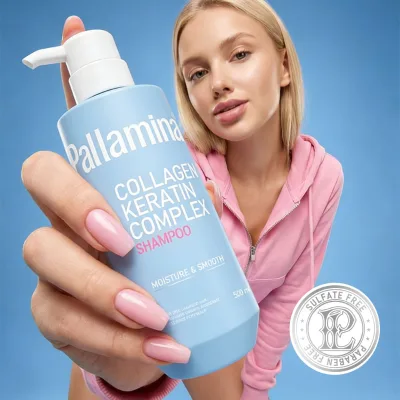
Comprehensive Sourcing Guide
Vegan Keratin Nourishing Shampoo Sourcing Guide
Sourcing vegan keratin nourishing shampoo requires a nuanced understanding of ingredient integrity, formulation stability, and supplier transparency. While the term "vegan" implies the absence of animal-derived ingredients, and "keratin" suggests protein-based repair, the market often presents conflicting claims. Buyers must distinguish between true plant-based alternatives and products that may contain hydrolyzed animal keratin or other non-vegan additives. This guide provides a structured approach to evaluating suppliers, verifying technical specifications, and ensuring compliance with safety standards for this specialized hair care segment.
The procurement process for these products involves balancing aesthetic appeal with functional performance. Buyers need to assess whether the shampoo delivers on its promises of nourishment and repair while maintaining a clean label profile. This involves scrutinizing the ingredient list for synthetic versus natural components, verifying the source of keratin, and ensuring that the final product meets the specific needs of the target demographic. The following sections outline the critical steps for successful sourcing.
Product Scope and Observed Listing Signals
The observed market signals indicate a diverse range of products labeled under similar categories, with prices ranging from $0.65 to $13.99 USD and minimum order quantities (MOQs) varying from 1 to 20,000 units. This wide price and volume range suggests a spectrum from basic commercial formulations to premium, specialized products. Buyers should note that the term "vegan" is not explicitly confirmed in all observed listings, and some products may contain chemical ingredients or silicone-based compounds, which contradicts the "organic" or "natural" claims often associated with vegan products.
Observed product attributes include various volumes, such as 300ml and 900ml, and different forms like lotion and cream. Some listings highlight features such as hair-loss prevention, color protection, and oil control, while others emphasize moisturizing and smoothing effects. It is crucial for buyers to verify the specific ingredient profile of each product, as some may contain herbal, amino acid, or hyaluronic acid components, while others may rely on chemical surfactants. The presence of "silicone-free" claims in some listings indicates a segment of the market catering to consumers seeking cleaner formulations, but this must be cross-referenced with the full ingredient list.
Technical Specifications to Verify
Technical verification begins with the pH level, which is critical for scalp health and hair integrity. Observed data indicates a pH range of 4.5 to 6.5, described as a scalp-balanced formula. Buyers should confirm that the specific product they intend to source falls within this range, as deviations can lead to scalp irritation or hair damage. Additionally, the texture and lather quality are important sensory attributes; observed products are described as having a smooth texture and rich lather, which contributes to the user experience but does not guarantee efficacy.
The ingredient composition is another key technical specification. While some listings claim "organic" and "herbal" ingredients, others list "chemical" ingredients. Buyers must verify the source and concentration of keratin, ensuring it is vegan-derived if that is a core requirement. The presence of other active ingredients like hyaluronic acid, amino acids, and silicone-free compounds should be confirmed through supplier documentation. Furthermore, the shelf life, observed as three years in some listings, should be validated to ensure product stability and efficacy over time.
Compliance and Safety Documentation
Compliance with safety standards is non-negotiable in the hair care industry. Observed certifications include MSDS (Material Safety Data Sheet) and GMP (Good Manufacturing Practice), which are essential for ensuring product safety and manufacturing quality. Buyers must request these documents for each product variant to verify that the supplier adheres to recognized safety protocols. The MSDS provides critical information on the handling, storage, and emergency measures for the product, while GMP certification indicates that the manufacturing facility follows strict quality control measures.
In addition to certifications, buyers should verify the product's origin and manufacturing standards. Observed products originate from Jiangsu and Guangdong provinces in China, regions known for their cosmetic manufacturing capabilities. However, buyers should ensure that the specific factory meets international standards for cosmetic production, such as ISO 22716, if applicable. The absence of explicit vegan certification in some listings means buyers may need to request additional documentation or third-party verification to confirm the vegan status of the product.
Cost Drivers and Commercial Terms
Cost drivers for vegan keratin nourishing shampoo include the quality and source of ingredients, packaging complexity, and order volume. The observed price range of $0.65 to $13.99 USD reflects these variations, with higher prices likely associated with premium ingredients, organic certifications, and customized packaging. Buyers should analyze the cost structure to understand the value proposition of each product, considering factors such as ingredient purity, brand reputation, and supplier reliability.
Commercial terms, including MOQs and lead times, also impact the total cost of ownership. Observed MOQs range from 1 to 20,000 units, offering flexibility for both small-scale startups and large enterprises. Buyers should negotiate terms that align with their inventory management strategy, considering factors such as storage capacity and sales velocity. Additionally, the availability of OEM/ODM services allows for customization, which may incur additional costs but can enhance brand differentiation.
Supplier Qualification and Quality Control
Supplier qualification involves assessing the manufacturer's experience, production capacity, and quality control processes. Observed suppliers highlight advantages such as 18 years of experience, which can be a positive indicator of reliability and expertise. Buyers should verify the supplier's track record, including their ability to meet quality standards and deliver products on time. Requesting samples is a critical step in this process, as observed listings often offer free samples for evaluation.
Quality control measures should be clearly defined and agreed upon with the supplier. This includes pre-production inspections, in-process checks, and final product testing. Buyers should ensure that the supplier has robust systems in place to monitor ingredient quality, formulation consistency, and packaging integrity. Regular audits and performance reviews can help maintain high standards and identify potential issues early in the supply chain.
Long-Term Procurement Checks
Long-term procurement success depends on continuous monitoring of product performance and supplier reliability. Buyers should establish key performance indicators (KPIs) to track metrics such as product quality, delivery times, and customer feedback. Regular communication with the supplier is essential to address any issues promptly and to explore opportunities for improvement or innovation.
Market trends and consumer preferences in the vegan hair care segment are evolving rapidly. Buyers should stay informed about new ingredients, formulations, and regulatory changes that may impact their sourcing strategy. Building a strong relationship with a reliable supplier can provide access to exclusive products and competitive advantages. By maintaining a proactive approach to procurement, buyers can ensure the long-term success of their vegan keratin nourishing shampoo offerings.
FAQs
What certifications do the vegan keratin nourishing shampoo suppliers hold?
The products hold MSDS and GMP certifications as verified high-confidence facts. These standards ensure safety and quality compliance for both home and salon use applications.
Can I request custom packaging for the vegan keratin nourishing shampoo?
Yes, standard packaging or customized options are available for this product line. Buyers can select specific packing solutions to match their brand requirements or private label needs.
Which volume sizes are available for the vegan keratin nourishing shampoo?
Available volumes include 300ml and 900ml options depending on the specific model selected. These sizes cater to different usage scenarios ranging from home daily use to hotel applications.
How long is the shelf life of the vegan keratin nourishing shampoo?
The product has a shelf life of three years as stated in the specifications. This duration ensures stability and efficacy for buyers planning long-term inventory storage.
What ingredients are used in the vegan keratin nourishing shampoo?
Ingredients include herbal extracts, hyaluronic acid, amino acids, and keratin without silicone. These components provide nourishing, moisturizing, and hair-repairing benefits for all hair types.
Can I order samples of the vegan keratin nourishing shampoo before bulk purchase?
Samples are freely offered to potential buyers for evaluation purposes. This allows clients to test the formula and quality before committing to larger orders with OEM or ODM services.
Where are the vegan keratin nourishing shampoo manufacturers located?
Manufacturing origins are located in Jiangsu and Guangdong provinces in China. These regions serve as the primary production bases for the various product models listed.